Hyundai Car Key Replacement: What Makes Hyundai Keys Different
Modern Hyundai vehicles use several distinct key technologies depending on the model year and trim level, and understanding the difference matters because each type requires different equipment and programming steps. Older Hyundai models used basic metal keys with no electronics at all — straightforward to duplicate but increasingly rare on the road today. From roughly the mid-2000s onward, Hyundai began equipping vehicles with transponder keys, which contain a small microchip inside the plastic head. When you insert the key and turn the ignition, the car's ECU sends a radio signal to that chip; if the chip doesn't respond with the correct code, the engine won't start even if the key blade is cut perfectly. Getting a transponder key right means both cutting the blade to the correct key profile and programming the chip to match that specific vehicle's immobilizer — two separate steps that require professional-grade equipment.
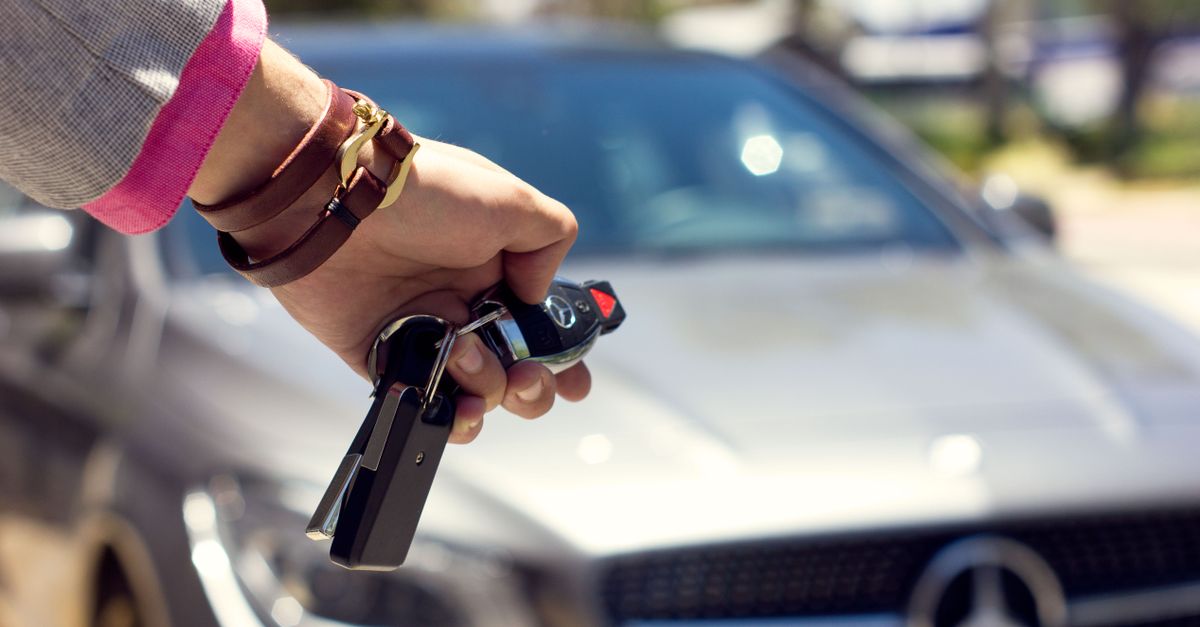
Key fobs and remote head keys added another layer, combining the mechanical key blade with a remote for locking, unlocking, and sometimes remote start. More recent Hyundai models — including many Elantra, Sonata, Tucson, Santa Fe, and Kona configurations — have moved to proximity-based smart keys that allow push-button ignition without inserting anything into the ignition barrel. These smart keys communicate constantly with the vehicle's system and require VIN-specific programming that goes beyond what a hardware store kiosk can handle. Swift Lock Locksmith carries the diagnostic and programming tools to service all of these formats on-site, getting you back on the road faster than waiting for a dealer appointment.